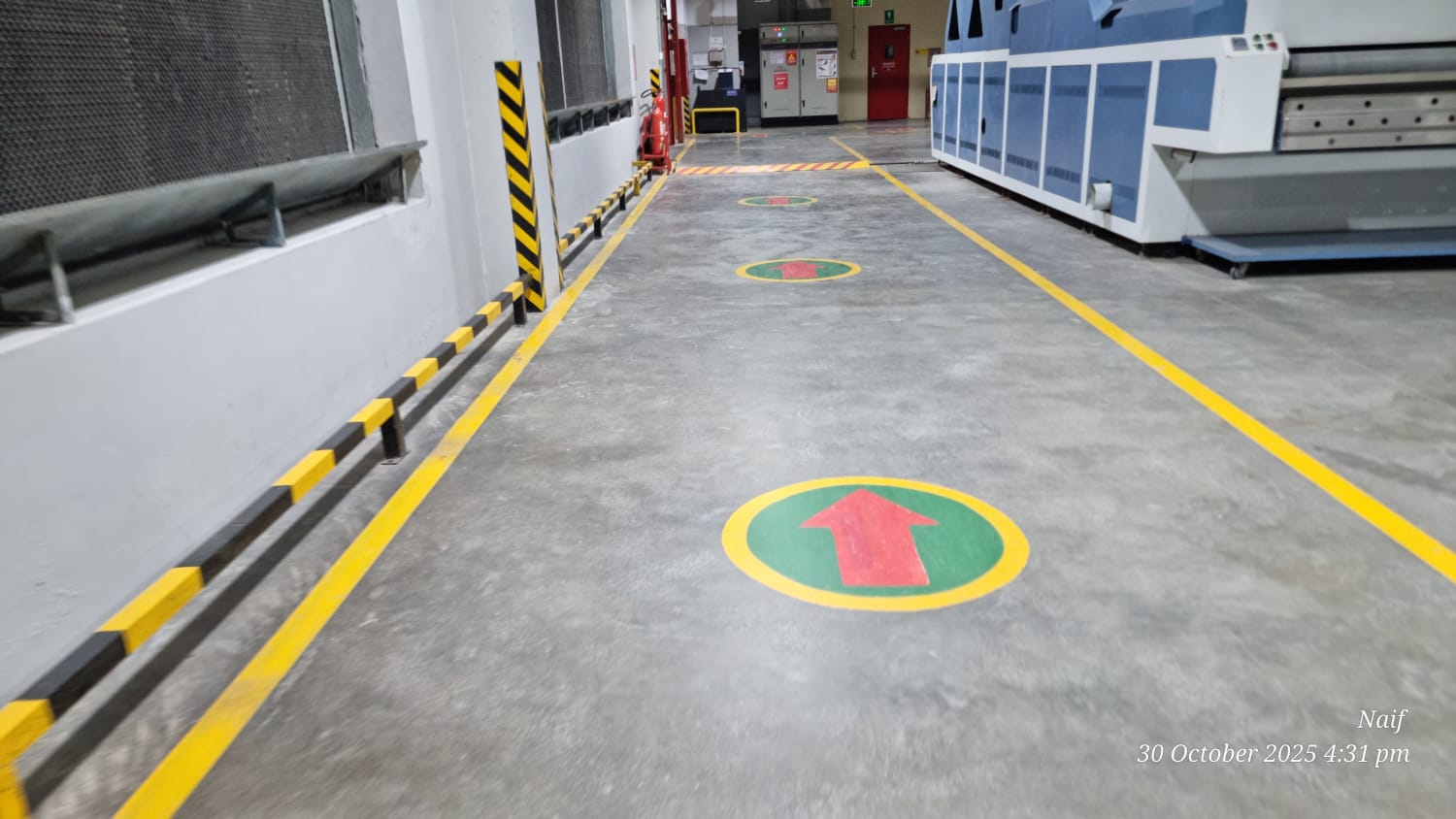
Best Industrial Flooring in Bangladesh by Naif Engineering

Setting the Standard: Naif Engineering & Builders Ltd. Delivers Super-flat Industrial Flooring for Ispahani Tea’s LEED-Certified Factory

Naif Engineering & Builders Ltd. is proud to announce the successful completion and handover of a landmark project for one of the world’s most respected tea brands, Ispahani Tea Limited. This project, the Gazipur Tea Factory at ITL Campus in Gazipur, Bangladesh, represents a significant achievement in industrial construction, setting a new benchmark for precision and sustainability in the region.
Our scope of work focused on a critical component of any high-volume logistics and manufacturing facility: the floor. We delivered a High-Tolerance DM-1 Super-flat Floor Finishing, a specialized Industrial Flooring solution essential for modern, efficient operations.

Technical Excellence: Precision Engineering for High-Volume Operations

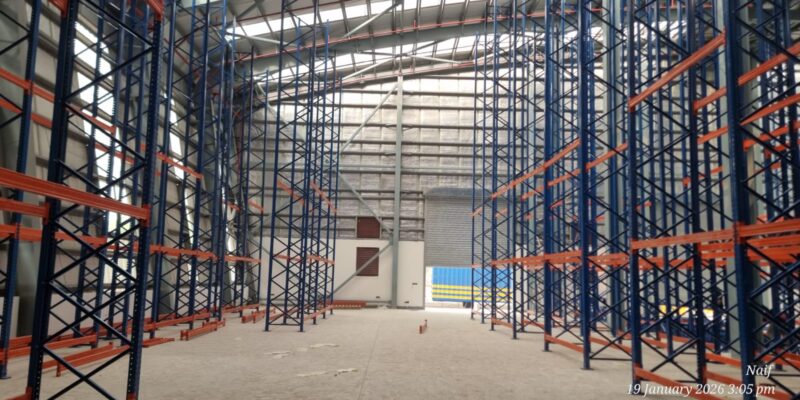
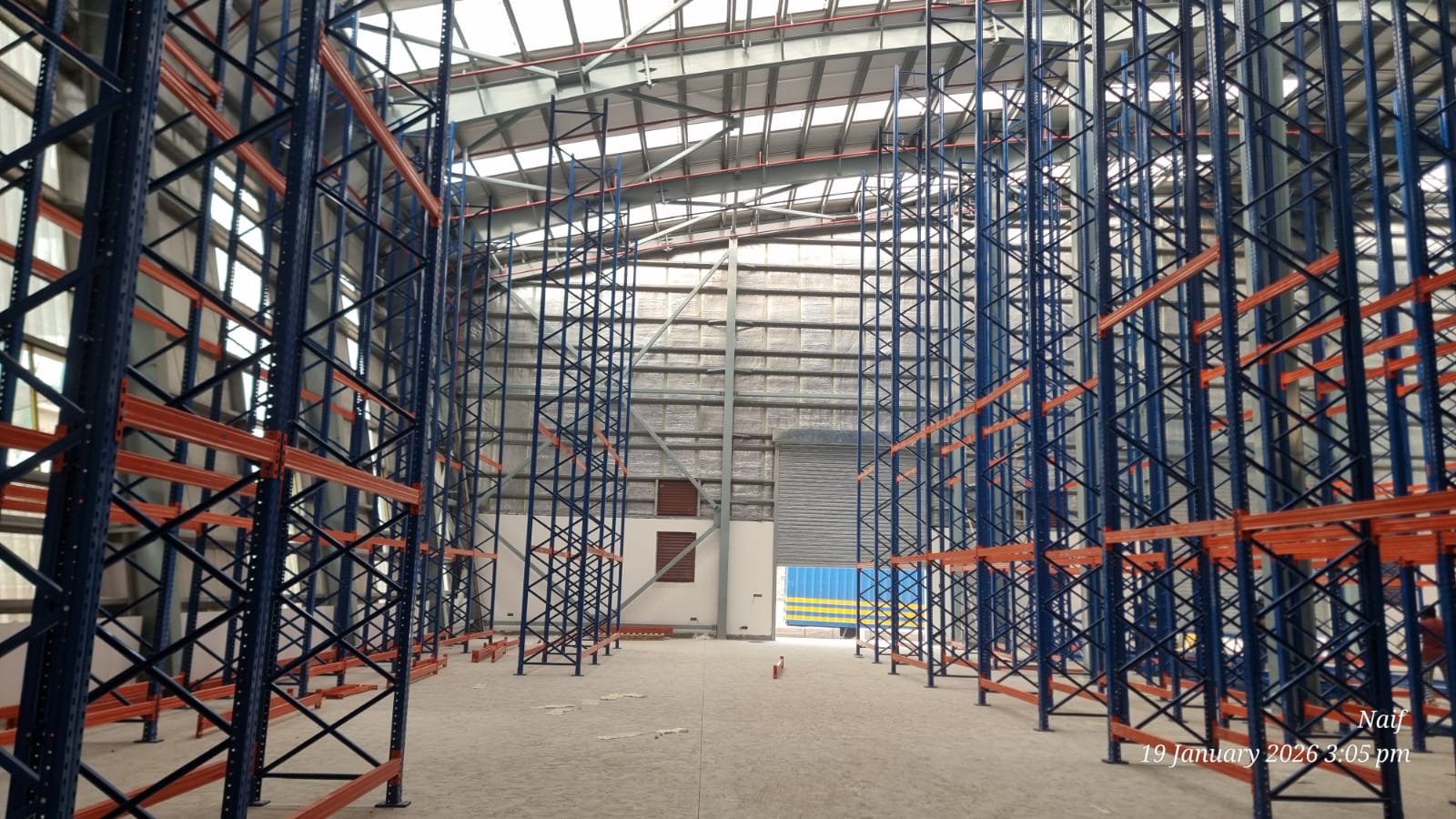
The floor of a modern warehouse, particularly one with high-bay racking and Very Narrow Aisle (VNA) systems, is not merely a surface—it is a piece of precision engineering. The DM-1 specification, which stands for Defined Movement, is the highest standard for floor surface regularity.

This level of flatness is non-negotiable for facilities like the Ispahani Tea Factory, where Material Handling Equipment (MHE) operates at significant heights and speeds. A truly Super-flat Floor ensures:

  • Maximum Safety: Reduced sway and vibration for forklifts operating at high levels.
  • Operational Efficiency: Faster travel speeds and reduced cycle times for MHE.
  • Lower Maintenance Costs: Less wear and tear on the MHE, tires, and the floor itself.

The Power of TOP-100 Floor Hardener

To achieve the required durability and longevity for this high-traffic environment, we incorporated the supply and application of TOP-100 Floor Hardener. This high-quality, dry-shake hardener creates a dense, non-dusting surface that is significantly more resistant to abrasion than standard concrete. As a specialized Floor Finisher, this application ensures the floor can withstand the constant movement of heavy loads and maintain its integrity for decades.

Key Innovation: The Macro PP Fiber Advantage

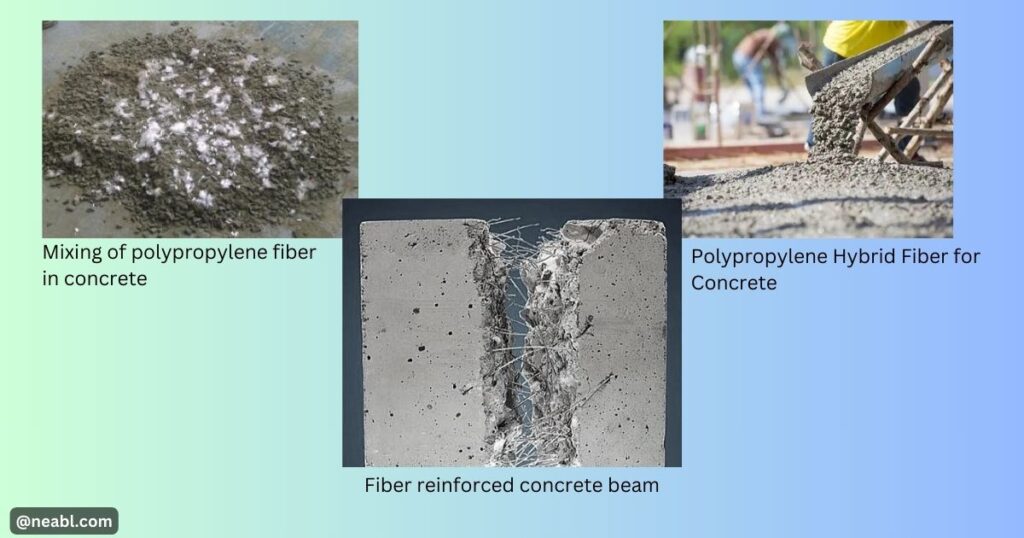
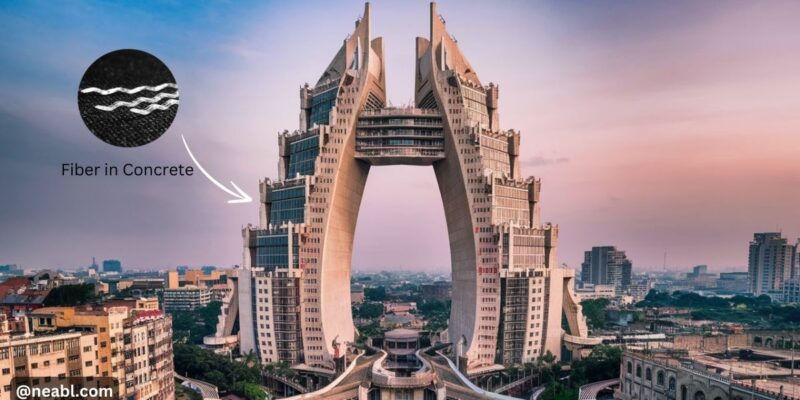
In a commitment to maximum durability and long-term performance, Naif Engineering & Builders Ltd. utilized the world’s best Macro PP Fiber (Polypropylene Fiber) as a key innovation in the concrete mix.
Unlike traditional steel reinforcement, Macro PP Fiber provides superior benefits for industrial concrete floors:
  • Enhanced Crack Resistance: It effectively controls plastic shrinkage and long-term drying shrinkage cracks, which are common failure points in large industrial slabs.
  • Corrosion-Free Durability: Crucial for a food-grade facility like a tea factory, the synthetic fiber eliminates the risk of corrosion and spalling associated with steel.
  • Increased Toughness: The fibers improve the concrete’s post-crack performance and fatigue resistance, ensuring the floor remains robust under constant, heavy use.
 

Building Green: The LEED-Certified Factory

The Gazipur Tea Factory has achieved the prestigious LEED Certification (Leadership in Energy and Environmental Design). This global recognition underscores the client’s and our shared commitment to sustainable engineering and green building practices.

Naif Engineering’s role in delivering a high-quality, long-life DM-1 Super-flat floor in Bangladesh contributes directly to the factory’s sustainability profile. A floor that requires minimal maintenance, reduces equipment wear, and is built with durable, innovative materials like Macro PP Fiber is inherently a sustainable choice. This project stands as a shining example of a LEED-certified factory in Bangladesh, demonstrating that world-class operational efficiency and environmental responsibility can go hand-in-hand.

The Naif Advantage: Your Partner for World-Standard Industrial Solutions

When a world-class brand like Ispahani Tea requires a world-class solution, they choose a partner they can trust. Naif Engineering & Builders Ltd. is synonymous with precision, innovation, and reliability in the industrial construction sector.

Our expertise in specialized industrial flooring solutions ensures that your facility is built not just for today but for the demands of tomorrow. We combine technical mastery with a deep understanding of operational requirements to deliver floors that are faster, safer, and more cost-effective to run.
Conclusion and Call to Action

The successful completion of the Ispahani Tea Factory project is a testament to our capability to deliver complex, high-tolerance industrial solutions. If your business demands the highest standards of precision, durability, and sustainability—from a DM-1 Super-flat floor to a fully LEED-certified factory—look no further than the experts at Naif Engineering & Builders Ltd.
Ready to elevate your industrial facility with world-class precision and sustainable engineering?
Contact Naif Engineering & Builders Ltd. today to discuss your next project and discover the Naif Advantage.
Call us at +88 01762-638816 / +880 9610-960485 or email us at info@neabl.com

Naif Engineering & Builders Leads the Charge: PP Fibers for Stronger, More Sustainable Concrete Structures in Bangladesh

Bangladesh’s construction industry is experiencing a phenomenal surge. From towering skyscrapers to intricate architectural marvels, concrete reigns supreme as the building material of choice. But with this growth comes the constant quest for innovation and improvement. Enter PP fibers, a revolutionary material poised to disrupt the way concrete is reinforced. Pioneered in Bangladesh by Naif Engineering and Builders Ltd. (Top Construction Company in Bangladesh), PP fibers are ushering in a new era of lighter, stronger, and more versatile concrete structures.

Why Rethink Rebar, the Traditional King?

For generations, steel rebar has been the undisputed champion of concrete reinforcement. Its undeniable strength provides the backbone for countless structures. However, steel rebar also comes with limitations:

  • Corrosion Concerns: Steel is susceptible to rust, especially in Bangladesh’s humid climate and coastal regions. This corrosion weakens the rebar and ultimately compromises the integrity of the concrete structure.
  • Weighty Woes: Steel rebar’s bulky nature can be cumbersome for intricate designs or thin concrete applications. Constructing buildings with intricate architectural elements or delicate concrete features becomes a challenge.
  • Design Dilemma: The inflexibility of steel rebar restricts design freedom. Creating aesthetically pleasing or innovative concrete structures becomes difficult with traditional rebar methods.

Types of Fiber in Concrete

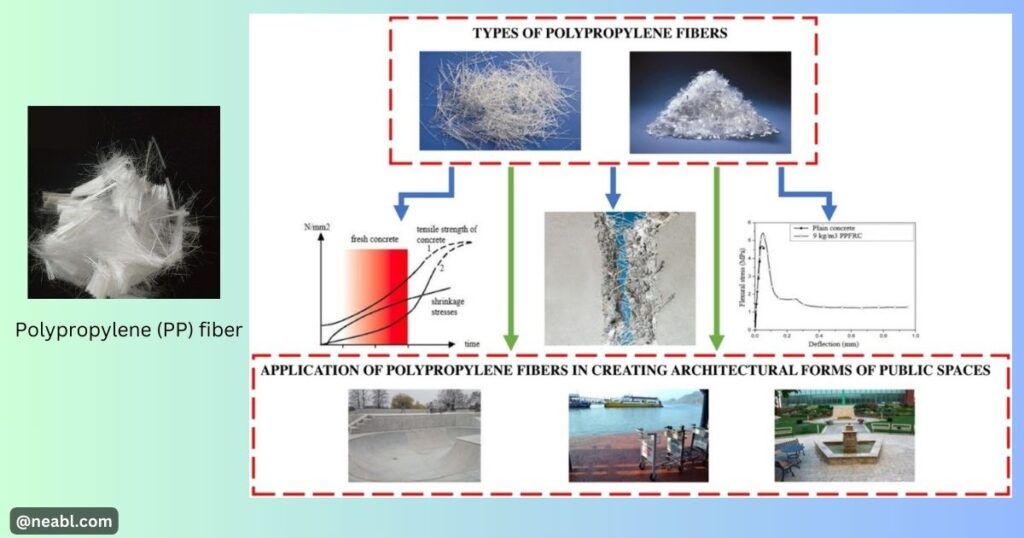
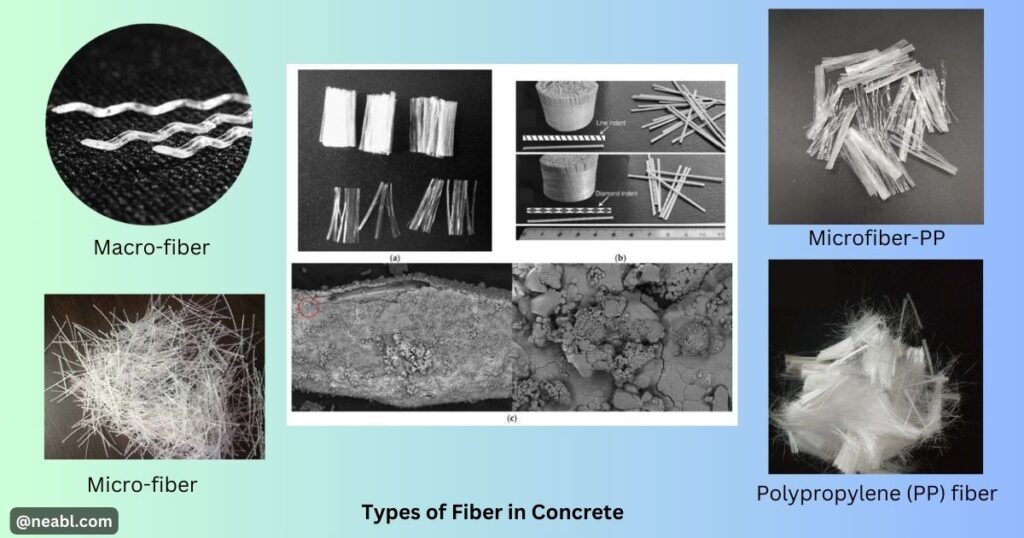
While PP fibers are a game-changer, they are not the only fiber used in concrete reinforcement. Here’s a quick breakdown of some common types, alongside a helpful image for reference:

Types of Fiber in Concrete
  • Macro Fibers: These are the longest fibers used in concrete reinforcement, offering superior crack control and improved impact resistance. They are particularly effective in enhancing the flexural strength and toughness of hardened concrete.
  • Micro Fibers: These are short, straight fibers primarily used to control plastic shrinkage cracks in fresh concrete. They are well-dispersed throughout the mix and help minimize the formation of cracks as the concrete sets.
  • Microfiber-PP (Polypropylene): A specific type of microfiber made from polypropylene. They offer similar benefits to general microfibers but can also improve the overall crack control in hardened concrete due to their unique properties.
  • Polypropylene (PP) Fiber: As discussed earlier, these are short, chopped fibers that provide good crack control and are a versatile option for various concrete applications. They come in different variations like monofilament (single, straight fibers) and fibrillated (tiny nets of PP fibers) to cater to specific needs.

PP Fibers: A Lightweight Champion Emerges

Naif Engineering and Builders Ltd. is at the forefront of a new wave of construction technology by introducing PP fibers to Bangladesh. Polypropylene (PP) fibers are synthetic fibers strategically mixed into concrete. These short, chopped fibers offer a surprising array of benefits:

PP Fibers: A Lightweight Champion Emerges
  • Crack Minimization: PP fibers don’t prevent cracks entirely, but they act like microscopic bridges, holding the concrete together and minimizing crack size. This significantly reduces the entry points for water, salt, and harmful chemicals, extending the lifespan of the concrete structure in Bangladesh’s challenging environment.
  • Lightweight Champion: Compared to steel, PP fibers are significantly lighter. This translates to easier transportation, handling, and potentially reduced construction costs, making them ideal for large-scale projects.
  • Design Flexibility: Unlike bulky rebar, PP fibers offer greater design freedom. They are ideal for intricate architectural elements or thin concrete applications where traditional rebar might be impractical. This opens doors for innovative and aesthetically pleasing structures to grace the Bangladeshi skyline.

Cost Considerations: Striking a Balance

While PP fibers offer numerous advantages, they aren’t a one-size-fits-all solution. Here’s a breakdown of the pricing comparison to consider:

  • Steel Rebar: Prices fluctuate based on market demands and material costs. However, as a well-established material, rebar often enjoys a more stable price point.
  • PP Fibers: The cost of PP fibers can vary depending on the fiber length, type, and desired dosage. Generally, incorporating PP fibers increases the concrete cost by 10-15%.

The Verdict: When PP Fibers Shine

PP fibers are not a direct replacement for steel rebar in every scenario. However, they excel in specific situations, making them a valuable addition to Bangladesh’s construction toolbox:

  • Thin Slabs & Shells: For applications like concrete countertops, pavements, or architectural facades, PP fibers effectively minimize cracking and offer design flexibility, perfect for the growing demand for modern and stylish buildings in Bangladesh.
  • Corrosion-Prone Environments: In areas with high humidity or salt exposure, such as coastal regions, PP fibers’ resistance to corrosion makes them a valuable alternative to rust-prone steel rebar. This ensures the longevity of structures in Bangladesh’s diverse climate.
  • Secondary Reinforcement: When used in conjunction with strategically placed rebar, PP fibers can provide additional crack control and enhance the overall strength of the concrete structure. This allows for a more efficient use of materials and potentially reduces construction costs.
The practical scenario of PP fibers

Naif Engineering and Builders Ltd.: Leading the Way with PP Fiber Innovation

Naif Engineering and Builders Ltd. (NEABL) (www.neabl.com) has taken a bold step forward by being the first company to introduce PP fibers in Bangladesh. Having successfully implemented PP fibers in several projects throughout the country, they are demonstrating the real-world benefits of this revolutionary material. This paves the way for a new era of sustainable, durable, and visually stunning concrete structures in Bangladesh.

The Final Word: A Brighter Future for Bangladesh’s Construction Industry

PP fibers represent a significant advancement in concrete reinforcement. While they might not replace rebar entirely, they offer a lighter, more versatile option for specific applications. By understanding their advantages, limitations, and cost considerations, engineers, architects, and construction professionals across Bangladesh can make informed decisions, pushing the boundaries of concrete design and construction. This paves the way for a future where Bangladesh’s built environment is not only strong and functional but also innovative and aesthetically pleasing.